

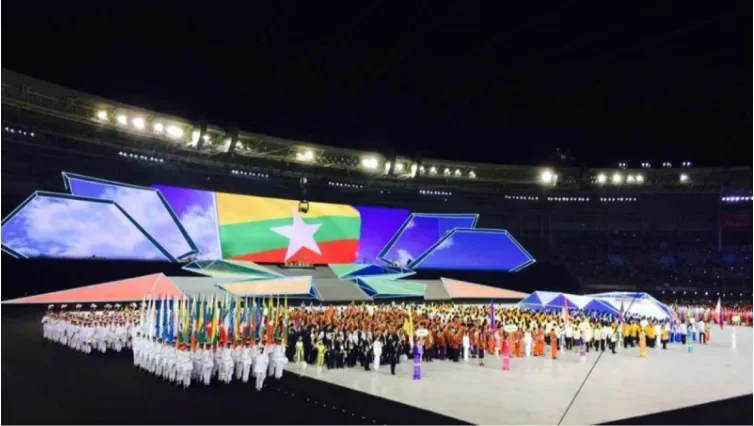
The largest multi-sport event in Southeast Asia always attracts considerable attention from sports fans. Many people ask what the competition means for sports in the region and explore the history, scale, and fascinating aspects of this major sporting event.
What are the SEA Games and how did the event begin?
The question of what the SEA Games are comes up frequently for people who first start following regional sporting events. Short for South East Asian Games, the SEA Games is a biennial sporting event involving 11 countries. Its predecessor was the SEAP Games (South East Asian Peninsular Games), which originated from the idea of bringing countries in the region together through friendly sporting competitions.
The event was first held in 1959 in Bangkok, Thailand, featuring more than 500 athletes from six founding countries. Over several decades of development, the Games have continued to expand, attracting thousands of athletes competing in dozens of different sports. Understanding the event’s history helps fans better understand its far-reaching influence on regional unity.
The significance of the Games goes beyond medals and achievements on the standings. The event serves as a cultural bridge, helping countries strengthen diplomatic relations and promote the development of both school and professional sports.
The scale and exciting sports at the Games
The Southeast Asian Games bring together all 11 countries in the region, featuring a wide range of sports, from traditional disciplines to modern competitions. Each edition is a true sporting festival where talented athletes compete and deliver thrilling moments.
Football and key Olympic sports
Among the many sports contested, men’s and women’s football always receive particular attention from the public. Fans have a deep passion for the world’s most popular sport and continually search for platforms to watch live football and support their national teams. In addition, core Olympic sports such as athletics, swimming, and gymnastics also play a decisive role in determining each country’s position in the overall medal table. Coaches at these events increasingly rely on data, much like the thinking behind how expected threat influences substitution decisions in football.
Sports reflecting the region’s distinctive cultural identity
Alongside modern sports, host countries often include additional traditional disciplines that are distinctive to their local culture. This helps honor intangible cultural heritage while making the competition more diverse and exciting. Viewers not only gain a clearer understanding of the Games but also have the opportunity to discover folk games that combine artistic expression with competitive action.
Today, demand for live sports coverage continues to grow, creating a need for sharp image quality and stable streaming connections. Reliable broadcasting platforms offer viewers a smooth and engaging viewing experience. Understanding the scope of the event and combining that knowledge with a dependable broadcast can enhance every fan’s entertainment experience.
Fans following the event want more than live coverage; they also expect analytical reports and in-depth commentary after each competition. Sports news websites quickly update schedules, medal standings, and inspiring stories from behind the scenes.
How to follow and support the Games effectively
To fully enjoy the festival atmosphere, viewers should proactively check the detailed schedules for each sport. Knowing which athletes are competing gives a more comprehensive view of each national team’s medal prospects. Fans can also look for high-quality live streams to cheer on the players from afar.
In addition, interacting on sports forums helps connect people who share the same passion and spread the spirit of fair play. Enthusiastic support from fans is a tremendous source of motivation, encouraging athletes to push beyond their limits. Through media coverage, everyone can gain a better understanding of the Games and take pride in the outstanding achievements of their country’s athletes.
Ultimately, unity and cultural exchange between different peoples are the most enduring core values that the Games seek to promote. Regardless of whether the outcome is a victory or a defeat, the beautiful image of friendship between nations remains in the hearts of spectators.
Understanding the history and scale of the Games helps observers appreciate athletes’ efforts even more and follow the competition to the fullest.